What I Got Wrong About Success (So You Don’t Have To)
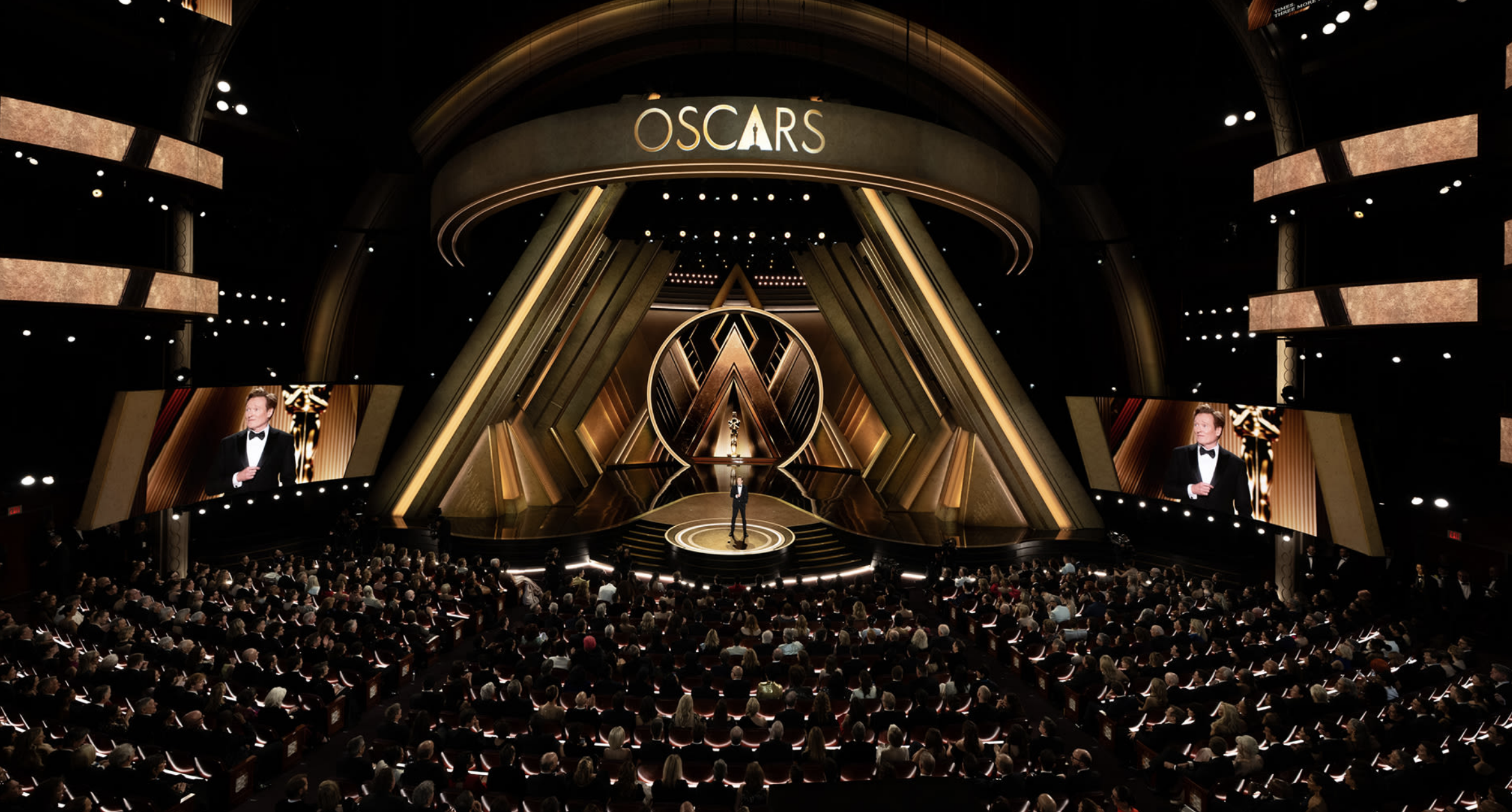
“I define success differently than many people. I define it as having the life you want.” -Strauss Zelnick (CEO of Take Two Interactive)
I keep coming back to that line. Success in this business is almost impossible to measure from the outside, and everyone’s version looks different. Before you can build the life you want, you have to actually know what you want, and be honest about it. That turns out to be the hard part.
Most of us skip it. We inherit a picture of success from somewhere else and start chasing it before we ever stop to ask whether it’s ours. I chased somebody else’s picture for a long time. It took a shy kid’s worth of anxiety and a global shutdown to make me put it down.
So what are we actually chasing?
The Kid Who Got Sick Before Everything
Growing up, I was pretty quiet. I don’t know if that was baked in or not, but I had to go looking for my confidence on purpose. In middle and high school I fought anxiety every morning. I’d get physically sick before school drop-offs, before baseball games, before a music solo. Nobody around me seemed to be going through it, so I felt alone in my own fears. I buried it as much as I could because trying to fix the anxiety just fed it.
That feeling never fully left. It still shows up when I make plans with friends, old or new. It’s that gut drop at the top of a roller coaster, right before it goes. Some days it’s easier to back out than to show up.
For years I hid all of that behind a smile and a good attitude. I stayed in my lane. I controlled what I could control and worked hard to build something steady, because steady felt safe. What I wanted was a sustainable career doing the thing I love, which is editing.
Betting on Myself
At some point steady stopped being enough. I could feel that coasting at one job was going to cost me the career success I actually wanted, but putting myself out there meant walking straight into the thing I was most afraid of: change.
So I did it slowly. I left consistent jobs. I turned down others and sought out better ones. I built relationships with people who built me up instead of hollowing me out. And here’s the part nobody warns you about: the better the opportunities got, the louder those childhood fears got too. They grew like weeds in the back of my head. Every note on a cut, every mistake, landed as proof that I didn’t belong.
That’s impostor syndrome in its most textbook form, and I don’t think I’m alone in it. Talk to almost any editor who’s honest with themselves and somewhere under the credits is a version of that feeling. The sense that eventually someone’s going to figure out you’ve been making it up as you go.
Here’s what I’ve come to believe: everyone is making it up as they go. The difference between the people who freeze and the people who don’t isn’t that one group figured it out. It’s that one group kept moving anyway.
Hollywood Is a Minefield
When I say Hollywood, I mean the industry, not the zip code. And the industry is full of mental hazards. You compete for the same jobs as colleagues you genuinely like. You may carry the fear of getting fired on nearly every project, deserved or not. You hear no to your ideas constantly. Your best contributions get changed. There are long frustrating nights and technical fires to put out at the worst possible second. On top of all that, you have to find the people in a sometimes wildly superficial business who value you as a human being and not just a means to an end.
It’s hard for anyone. It’s harder when you’re already fighting your own inner stuff. And you can really get lost defining what success is if you wrap up your self-worth in this industry.
For years I isolated myself on my own little filmmaking island. I didn’t reach out to anyone new because I was sure they’d see me as a fraud, some guy working outside the industry hubs who didn’t really count. So I did the work quietly and hoped people would find me through it. I gave 500% to every project, sometimes to my own detriment. It made me a better editor. It also kept me too busy to hear how loud the anxiety had gotten.
And success did come. I worked on projects I’m genuinely proud of. But every time one wrapped, the same emptiness slid right back into the space it left. I kept reaching finish lines and finding nothing waiting there. It took me a long time to understand why. I was the quiet kid who put his head down and stayed safe instead of asking the bigger question, so I never actually decided what I was chasing. I was chasing a version of success I’d never defined, and getting more of it never filled anything.
The Year Everything Stopped
Then COVID hit, the work slowed down, and the noise I’d been outrunning finally caught up. Turns out I hadn’t conquered those fears over fifteen years in post. I’d just stayed busy enough to keep them quiet.
So I went looking for something, and that something was community. A shared mindset. I found the inspiring Jesse Averna ACE and his #postchat community on Twitter. I followed every editor, assistant, colorist, and VFX artist I could find. I watched events and tutorials. It was the shared experience I’d been missing for years. For a while I couldn’t work up the nerve to actually say anything, so I just watched the conversations.
Eventually I said something. And people said something back. The conversations began my craft-building journey. I went down rabbit holes on forums and wikis. I read Walter Murch and annotated every page. I then mustered the courage to cold email working editors. Get ready for more than a few name drops because they’re very important people who helped me in various ways and I want to make sure I say it clearly and not haphazardly.
Early on it was Aaron Butler ACE, Wendy Hallam-Martin ACE, CCE, Timothy A. Good ACE, BFE, Trevor Ambrose ACE, CCE, Bettina Treviranus who all took time out of their busy lives to offer me advice and career perspectives when I needed a change. Tim Good’s open arms when I met him in person for the first time after only talking online was a feeling you can’t replicate. He was the very first person who made me feel accepted in a community in which I thought I would only be seen as an outsider. For someone to do that with zero obligation to still means so much to this day. Spencer Rothman, who I first met at EditFest in LA, allowed me to hang with him at the event and offered me tons of advice and encouragement to join the union and ACE. Bradinn French ACE and Stephanie Filo ACE showed me kindness in person and online, which in turn built the confidence in me to reach out to others.
I contacted Shiran Carolyn Miller ACE after seeing an event on youtube, and she sent back a list of resources on assistant editing. That’s actually where my free Post Production Resource Guide started. Her kindness inspired that and it’s why I’ll never charge to share that guide.
Talking to all these people led me to join ACE and meet more amazing editors like Mollie Goldstein ACE, Joanna Naugle ACE, Julia Bloch ACE, Alanah Jones who have all taken significant time to offer support and guidance in my journey! They inspire me every day along with all of the NY internship committee members whom I enjoy! I’ve been able to pick Randy Bricker ACE’s brain recently on editing and meet more editors way more talented than me on the ACE education committee.
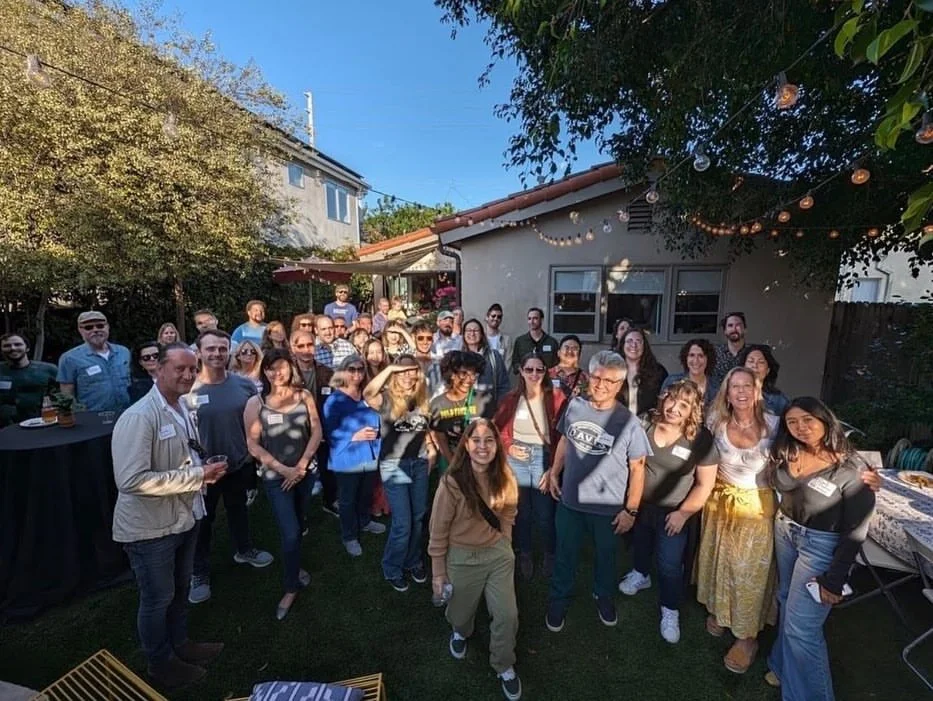
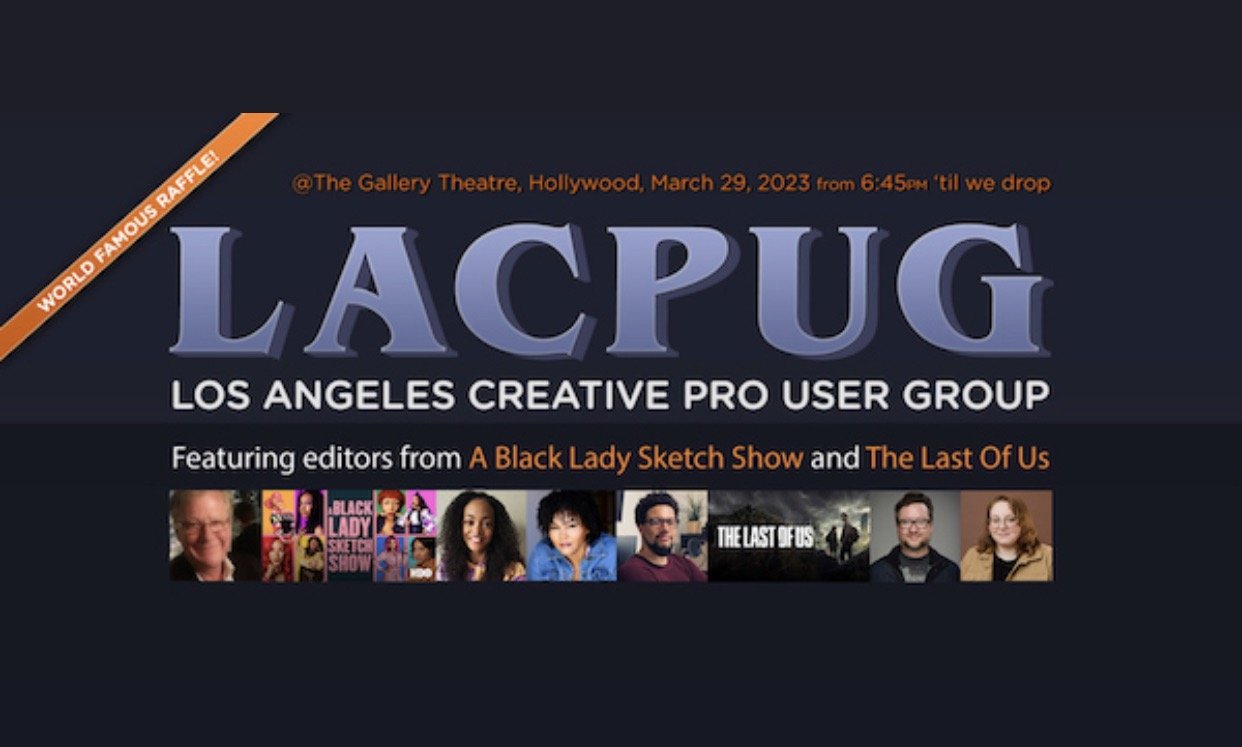
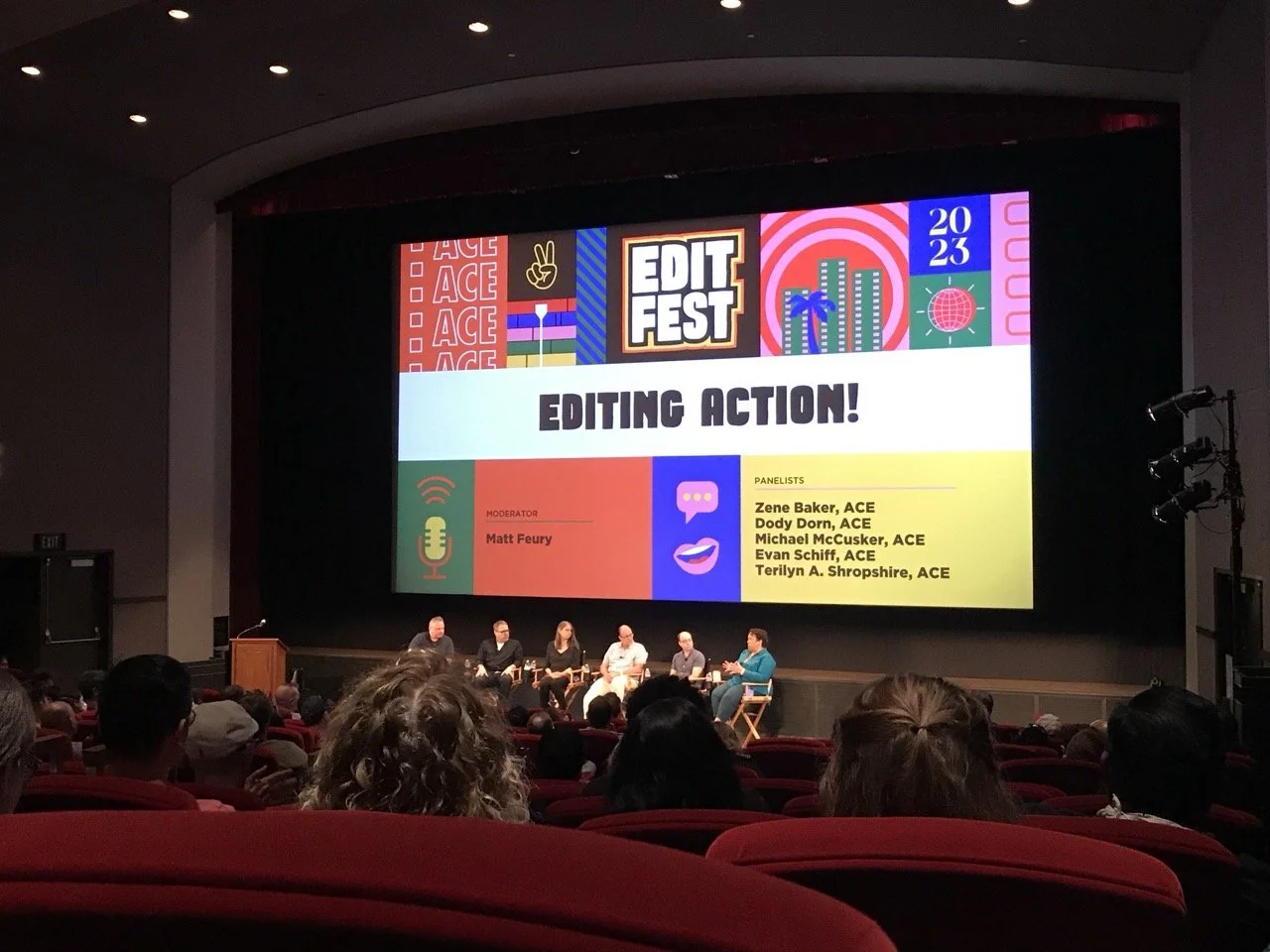
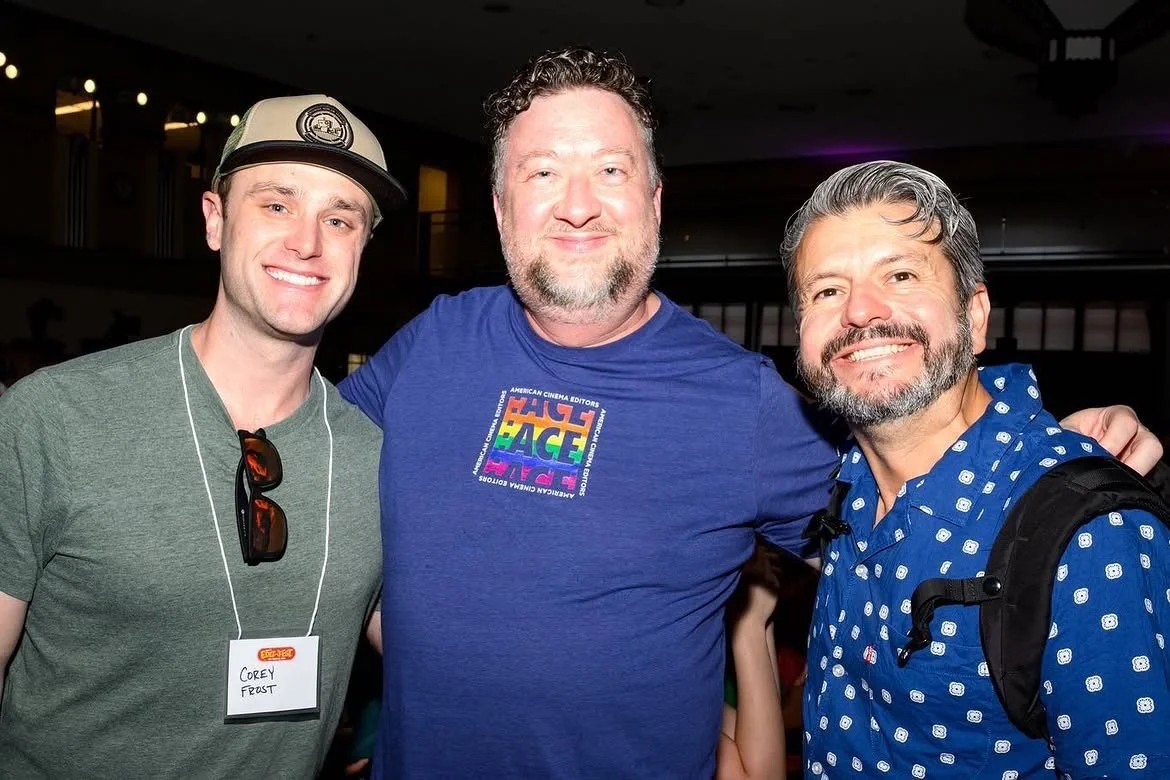
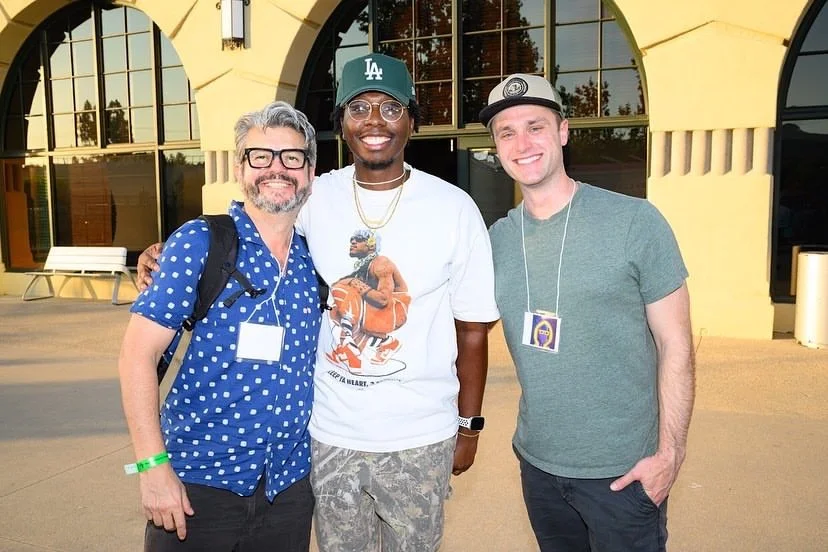
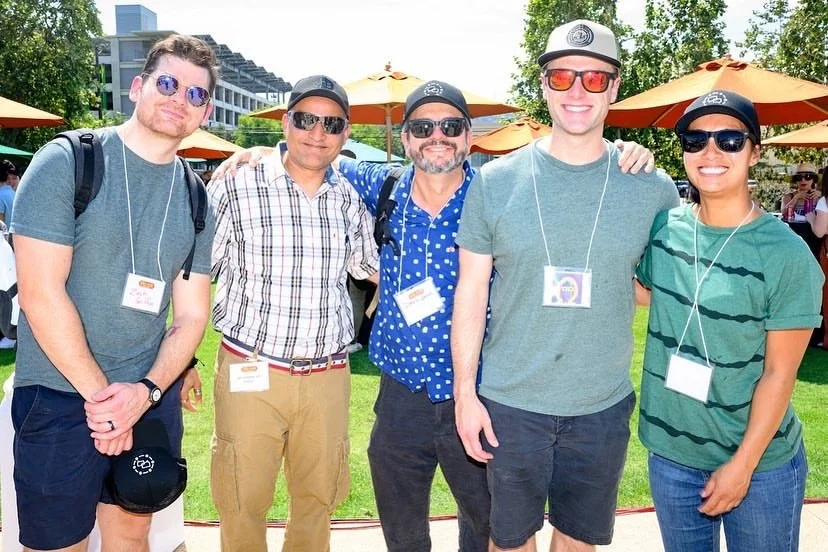
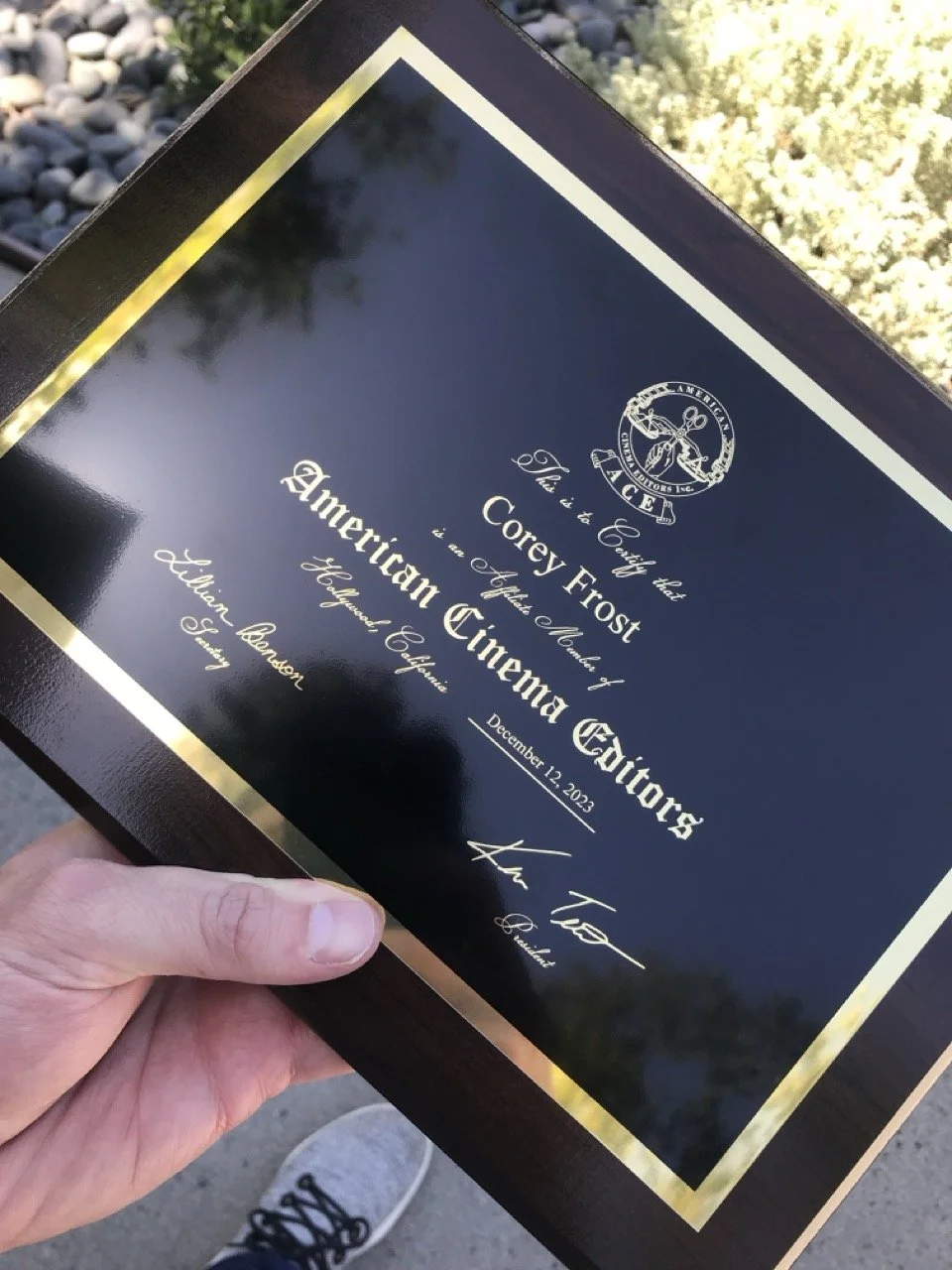
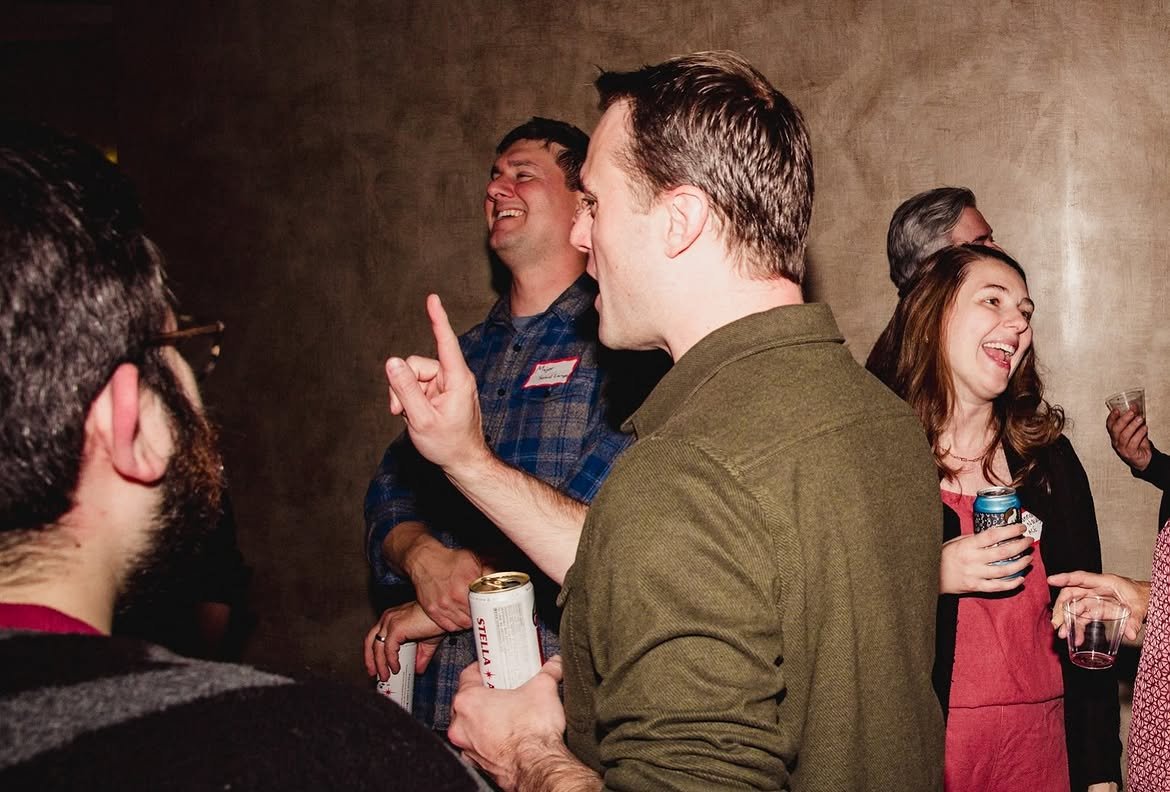
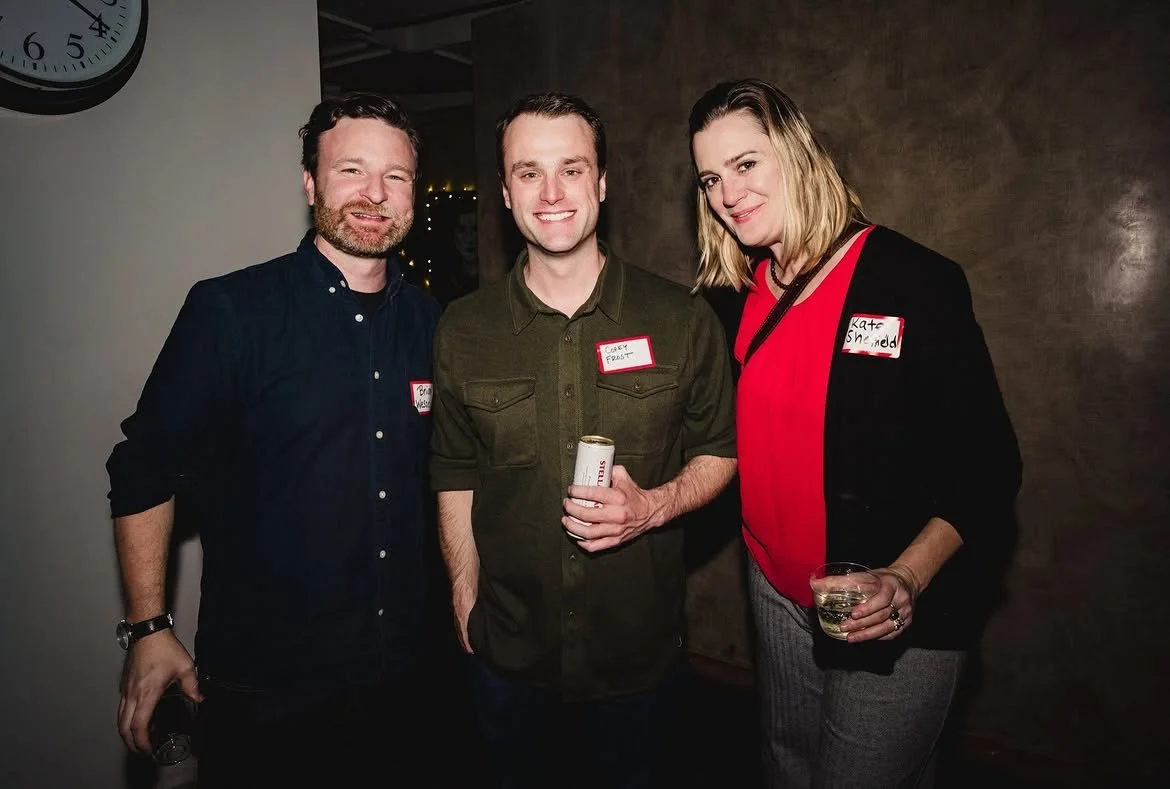
On top of all this, these people have become friends alongside others I’ve met online like Zach Griffin, David Llama, Chris Meagher, Patrick Lawrence, Chad Rubel, Robert Lee, and so many more. Their support, responses to my posts, questions, jokes, memes, texts, and emails changed how I view community and really altered the direction of my entire career for the better. These small gestures (probably very insignificant to them) were and are significant to me at a time when I felt completely vulnerable. I’ll be forever thankful for all of them and their perspectives because had they not replied to my messages, I wouldn’t be in the same place I am today. And shout out to anyone reading this I’ve interacted with over the years. All of you have influenced me more than you know!
The Question That Changes the Answer
Ok back to my main idea here…If you ask “what am I chasing?” and the answer is a specific job, a specific credit, a specific salary, you’re always measuring yourself against something you don’t have yet. By definition, you’ll feel behind.
But if the answer is closer to mastery of your craft, to building community, to the plain satisfaction of telling great stories, that’s something you can reach right now, in the work sitting in front of you today.
There’s advice out there in editing to make the film you have, not the film you think you have. It sounds like craft advice, but it’s also a way of staying present. Of asking what’s actually happening instead of what you hoped would happen in life. I think it applies to a career too. Not “what does this need to become?”, but “what is this, right now, and is it worth doing well?”
The answer to that second question is almost always yes. Even when the work is frustrating, underpaid, or unglamorous, if it’s real editing there’s something worth doing well inside it. Doing that consistently, over a long time, is the only way I’ve ever seen a successful career actually get built.
What I’ve Figured Out (So Far)
The chase for success doesn’t stop. I’m not sure it’s supposed to. But what you’re chasing can shift, and that shift matters more than most career advice admits.
The community was where mine started to change. Talking to those editors/assistant editors made me realize the emptiness wasn’t about landing bigger projects. It was about how I’d defined the whole thing. Success stopped being credits and milestones and became the work itself and the people around it. Learning from editors I admired. Building real friendships in a business that doesn’t hand them out easily. Getting to turn around and do for someone else what all those people did for me.
I don’t measure success the way I did 3, 7, or even 15 years ago. The picture I used to carry around like a compass looks different now, not because I lowered my standards, but because I got better at asking what I actually wanted and why. The anxious kid is still in there. He probably always will be. He just doesn’t get to steer the ship as much.
Then I became a father, and the definition moved again. A kid focuses your priorities fast. It grounded me and taught me a patience I didn’t have before. Because here’s the thing about being a parent: the biggest payoffs, watching your kid grow into who they are, come after a mountain of work and frustration you sit through long before you ever see them do it. That’s what success actually looks like. It’s slow and meandering.
I still want to tell great stories. I still want to be on projects that are part of the culture. But I know now my success isn’t the hype or the spectacle of Hollywood. It’s learning to be the best editor I can be. It’s being around good people and building real bonds in a hard industry. It’s helping the next person the way others helped me. It’s being a good friend, father, and a good husband. Nobody can take those away. Those are the credits that never fade. That is the type of success and life I’m chasing.
Zelnick defined success as having the life you want. The catch is that you have to know what you want first, and that answer keeps changing as you go. Mine has. It’s now time for you to define the version of success that you are chasing so you don’t wait as long as I did to find it!